
Tool rooms, cribs, cabinets, and audits

RFID Tool Tracking

Track tool identity, checkout, return, inventory, and search workflows with RFID tags, handheld readers, fixed read points, cabinets, and software records.

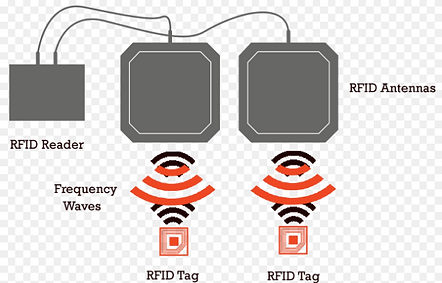
RFID reader antenna and tag workflow for tagged assets

Tool identity

How RFID tool tracking works

RFID tool tracking starts by attaching a durable tag to the tool and associating that tag identifier with a software record. Readers then capture tool events at the points where the workflow changes.

A useful tool tracking system records more than a tag sighting. It should connect the tool identity to checkout, return, assignment, storage, inventory, calibration reference, inspection status, or exception workflows.

Tagging metal tools

Metal tools need the right RFID tag and mounting method

Metal can detune a passive RFID tag if the tag is not built or mounted for that surface. Small tools also create limited placement options, unusual geometry, and safety concerns.

Tool tags should be selected and tested for mounting, read orientation, heat, chemicals, abrasion, cleaning, ergonomics, and whether the tag could interfere with safe use.

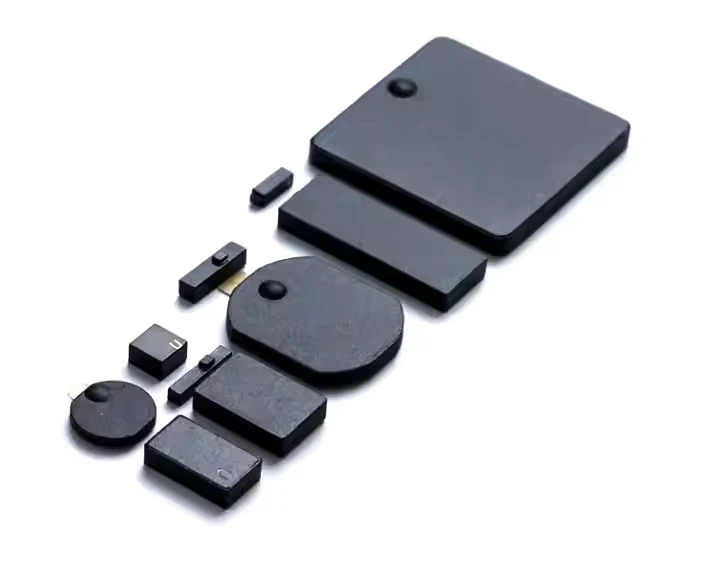
Small durable RFID tag used for tool and instrument tagging discussions

Tag selection factors

  • On-metal tag construction and antenna spacing
  • Size, shape, and readable orientation
  • Adhesive, rivet, embedded, tie, or mechanical mounting
  • Heat, chemicals, abrasion, impact, and cleaning exposure
  • Tool safety, balance, grip, and user ergonomics
  • Testing on the actual tools, not only flat sample material

Handheld search

A handheld RFID reader can help search for tagged tools in a crib, cabinet area, vehicle, work cell, or nearby storage location. The reader can help narrow the search when the tag is readable and the operator scans the area effectively.

Passive RFID does not provide exact coordinates. Tag placement, surrounding metal, reader angle, and nearby tagged tools influence the search result.

Tool cribs

Tool crib checkout and return

Tool crib workflows can associate a tagged tool with a user, job, department, status, or storage location. Checkout and return events should be designed around how tools are issued, used, reviewed, and returned.

Controlled storage

RFID cabinets

RFID cabinets can support controlled storage, access events, and inventory review for tagged tools. Cabinet designs vary, so read zones, cabinet material, user access, tag orientation, and software logic all need to be validated.

Movement points

Doorway and portal tracking

Fixed RFID readers can capture tool or kit movement through defined transition points such as tool-room doors, issue counters, or controlled areas. For larger dock workflows, see RFID dock door portals.

Inventory and audits

Tool inventory and audits

RFID can support tool-room inventory, cabinet audits, kit completeness checks, and exception investigation. Bulk reading is possible when tag placement, read distance, tool density, and surrounding materials are compatible with the scan method.

The software should distinguish expected tools from extra, missing, misplaced, blocked, or assigned tools so users know what needs attention.

Software layer

Tool records and workflow rules

RFID identifies the tool. The software layer manages the business context: tool ID, assigned user, department, storage location, status, last event, inspection reference, calibration reference, and exception state.

Rocket Tracked can be relevant as the RFID asset tracking software layer. Tool projects still need workflow decisions around mounting, cribs, cabinets, checkout rules, audits, and missing-tool investigation.

Tool ID
Assigned user
Department
Status
Last event
Storage location
Calibration reference
Inspection reference

Important distinction

RFID identifies the tool; software records calibration status

RFID does not inspect a torque wrench, gauge, or specialized tool by itself. It identifies the tool so software can retrieve calibration due dates, inspection records, restrictions, or maintenance history.

For broader repair, parts, WIP, and maintenance operations, seeRFID for MRO. For tools, fixtures, gauges, WIP, and production assets in aerospace facilities, see RFID for aerospace manufacturing. For jobsite and yard workflows, seeRFID for construction.

Choosing a method

RFID vs barcode for tool tracking

RFID is often useful when tool search, bulk inventory, cabinets, or reduced line-of-sight scanning matter. Barcodes can still be the right fit for simpler or lower-volume workflows.

ConsiderationRFID Tool TrackingBarcode Tool Tracking
IdentificationReads a tagged tool when the tag is in a workable RF position for the reader.Confirms the tool only after the visible barcode label is found and scanned.
Tool searchA handheld RFID reader can help narrow the search for nearby tagged tools.A barcode usually cannot help find a tool before the label is visible.
Bulk inventoryCan support cabinet, crib, shelf, or kit inventory when tag orientation and density allow it.Usually requires individual label scanning.
DurabilityRequires tag selection for metal, abrasion, heat, chemicals, cleaning, and safe mounting.Requires labels that remain visible and readable through use.
Workflow fitGood for checkout, return, cabinets, tool cribs, audits, and missing-tool investigation.Good for lower-volume processes where line-of-sight scanning is acceptable.

Fit check

When RFID may not fit a particular tool

RFID may not be practical for extremely small tools, tools with no safe mounting location, tools exposed to conditions beyond available tag durability, or tools where the tag changes safe handling.

A mixed system can still make sense: RFID for high-value or high-risk tools, barcodes for other items, and process controls where physical tagging is not realistic.

Review passive RFID tag considerations

Project approach

Implementation approach

  1. Tool workflow review
  2. Tool population grouping
  3. Tag selection and mounting test
  4. Crib, cabinet, handheld, or fixed-point design
  5. Software record setup
  6. Checkout and return rules
  7. Pilot
  8. Validation
  9. Rollout

Buyer questions

RFID tool tracking FAQ

Can RFID work on metal tools?

Yes, but metal tools usually need on-metal RFID tags, antenna spacing, or tag constructions designed for metal. The tag should be tested on the actual tool and mounting location.

Can RFID find a missing tool?

A handheld RFID reader can help search for a nearby tagged tool and narrow the area. It should not be described as exact coordinates, and performance depends on tag placement, tool material, and the environment.

How does RFID support tool checkout and return?

The system associates a tagged tool with a software record and can capture checkout, return, assignment, status, storage, or exception events when the workflow is designed for those transactions.

Do RFID cabinets automatically track every tool?

Cabinets can support controlled storage and inventory events, but architecture varies. Tag orientation, cabinet material, reader placement, access control, and software logic all affect the result.

Can RFID prove a tool is calibrated?

RFID identifies the tool. Calibration or inspection status comes from the software record associated with that tool identity.

When should a tool workflow use barcodes instead?

Barcodes may be the better fit for very low-volume tools, tools that cannot be tagged safely, or workflows where visual scanning already works well.

Tool tracking

Talk to an RFID Expert About Tool Tracking

Discuss the tools, surfaces, mounting limits, crib or cabinet workflow, handheld search needs, and software records required for the project.