
Mobile
Handheld vs fixed RFID reader
Handheld scanners are flexible. A user can walk to shelves, rooms, assets, tools, cages, vehicles, or exception areas and decide what to scan next.
Handheld and mobile RFID reading
Choose RFID scanners around the operator workflow: inventory counts, asset search, tool tracking, tag verification, barcode capture, software events, and rugged mobile use.
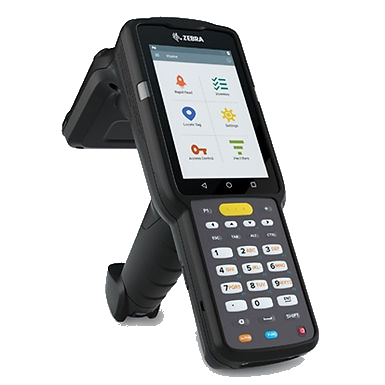
Scanner role
An RFID scanner is a mobile reader used by an operator to capture RFID tag reads while working through inventory, search, verification, checkout, or exception tasks. It often includes barcode scanning and a screen for software interaction.
The scanner should not be selected from read range alone. Ergonomics, battery life, ruggedness, operating system, barcode needs, device management, and software integration all affect whether the workflow works.
Mobile
Handheld scanners are flexible. A user can walk to shelves, rooms, assets, tools, cages, vehicles, or exception areas and decide what to scan next.
Fixed
Fixed readers are better when the read point is predictable: doorway, dock, cabinet, workstation, conveyor, gate, or portal. For dock portals, see RFID dock doors.
Device architecture
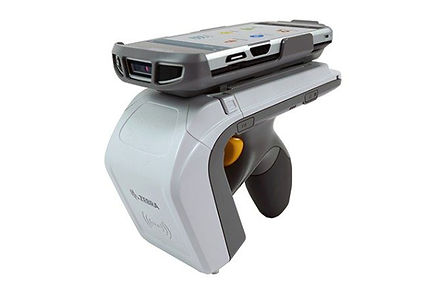
Common workflows
Handheld scanners are valuable when a person needs mobility, judgment, and software feedback during the scan. The operator may need to confirm an item, resolve an exception, search an area, or scan both RFID and barcode data.
RF behavior
Scanner performance depends on tag size, orientation, asset material, antenna direction, reader power, distance, nearby metal or liquid, and operator technique. A scanner demo in open air is not the same as a scan in a crowded storeroom.
Operations
Device weight, trigger placement, screen size, gloves, drops, dust, moisture, charging, shift length, and mobile-device management can matter as much as RF specifications.
Software integration
A scanner should feed the business workflow, not just display tag reads. In Rocket Tracked, scanner events may support inventory, search, checkout, return, movement, or exception workflows. Customer-owned software may require API, app, operating-system, or device-management review.
Rocket RFID confirms current scanner options and integration paths before quoting. Do not assume a specific device model is stocked or compatible until the software and workflow are reviewed.
RFID scanners
Share the scan task, operating environment, tags, software, barcode needs, ruggedness requirements, and approximate device count so Rocket RFID can recommend current scanner options.