RFID shipment verification software

Rocket Shipped RFID Shipment Verification

Verify RFID-tagged goods against expected shipment data before cartons, orders, or pallets leave the warehouse.

Product role

Shipment verification before goods leave

Rocket Shipped is RFID shipment-verification software for warehouses and fulfillment teams that need to compare physical RFID reads with what an order, manifest, ASN, carton, or fulfillment record says should be present.

The product is focused on verification logic and shipping workflow records. For fixed dock read-zone design, see RFID dock door portals. For broader receiving, picking, staging, and shipping context inside the warehouse, seeRFID for distribution centers. For trailers, containers, carriers, yards, and facility-to-facility handoffs, seeRFID for transportation and logistics. For the full Rocket RFID software portfolio, see RFID software.

Workflow

How Rocket Shipped verifies a shipment

  1. Expected shipment data enters the system
  2. Worker identifies the order, carton, pallet, or container
  3. RFID captures tagged items
  4. Reads are compared with the expected list
  5. Missing or unexpected items are reviewed before confirmation
  6. Verification record or downstream event is created

Expected data

Shipment inputs Rocket Shipped can be designed around

Verification depends on a trusted expected list. That source can vary by business system, customer requirement, retailer workflow, order model, and carton or pallet process.

During discovery, the source system, identifier structure, timing, exception rules, and downstream verification result should be confirmed before implementation.

Orders
Manifests
Advanced shipment notices
Carton or SSCC identifiers
Fulfillment data
Retail item identifiers

Capabilities

What the software manages

Expected-vs-read comparisonCompare RFID reads against the shipment, order, manifest, ASN, carton, or fulfillment data the workflow uses.
Missing and unexpected itemsShow exceptions before a shipment leaves the warehouse so the team can investigate and correct the issue.
Station or scanner workflowsUse handheld scanners, workstation readers, or fixed read points depending on the shipping process.
Verification recordsCapture a reviewable record of what was expected, what was read, and how exceptions were handled.
Retail RFID supportWork with serialized EPC or RFID price-ticket data when the item, UPC, carton, and order model are defined.
Integration planningReview Shopify, API, webhook, EDI, WMS, ERP, or database requirements during discovery.

Retail RFID

Retail shipment verification

Retail RFID workflows often involve RFID-enabled price tickets or serialized EPC data associated with UPCs, cartons, orders, or customer requirements. Rocket Shipped can help compare the tagged goods physically read at the station with the expected shipment data.

Shopify

Shopify fulfillment workflows

Rocket Shipped can support Shopify fulfillment workflows where the store, fulfillment locations, order identifiers, label workflow, and handoff events are configured for the project.

Read points

Handheld, workstation, or fixed read point

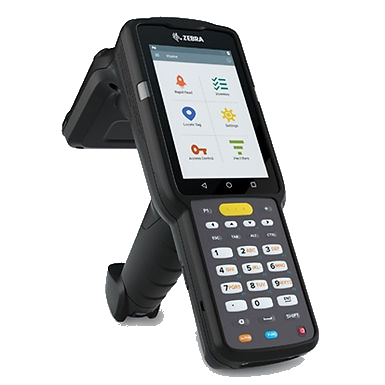
Rocket Shipped may receive reads from a handheld scanner, a workstation reader, a packing or verification station, or a fixed read point. The right choice depends on carton size, item density, read reliability, operator workflow, exception handling, and integration timing.

If the main requirement is a dock door portal that reads goods passing through a physical door, start with RFID dock door portals and connect Rocket Shipped where shipment verification logic is needed.

Representative handheld RFID scanner for shipment verification workflows

Licensing and sizing

Deployment sizing by station and workflow

Rocket Shipped deployments can be sized around the number of shipping or verification stations, scanner workflows, fixed read points, expected-data sources, exception rules, and downstream integration requirements.

Contact Rocket RFID for the current configuration and pricing based on station count, order volume, RFID read process, and the systems involved in fulfillment or shipping.

Implementation

Implementation planning

  1. Define expected shipment data and identifiers
  2. Choose handheld, workstation, or fixed read pattern
  3. Map missing, unexpected, duplicate, and confirmed states
  4. Validate RFID tag encoding and read conditions
  5. Configure integration and downstream verification records
  6. Pilot with representative orders and exception cases

Rocket Shipped

Discuss a Rocket Shipped Workflow

Talk through the orders, manifests, RFID tag data, read points, exception rules, integrations, and verification records your shipping process needs.