Personnel visibility

RFID Employee Tracking Systems

Capture personnel presence and movement events with RFID badges, fixed read points, active tags, gateways, and software designed around the actual facility workflow.

Start with the workflow

What RFID employee tracking actually means

RFID employee tracking is not one single technology pattern. A badge read at a doorway, an active tag seen by a gateway, and a mustering event all answer different operational questions.

The first design decision is the level of visibility the workflow really needs: presence at a checkpoint, movement between zones, attendance events, emergency accountability, or broader location awareness.

Passive RFID

Passive RFID personnel tracking

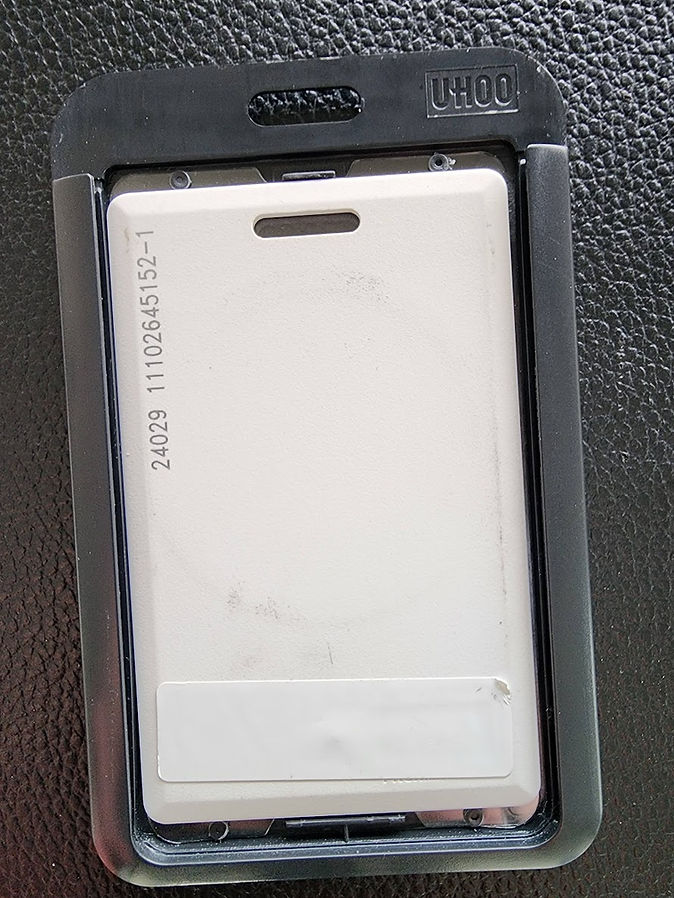
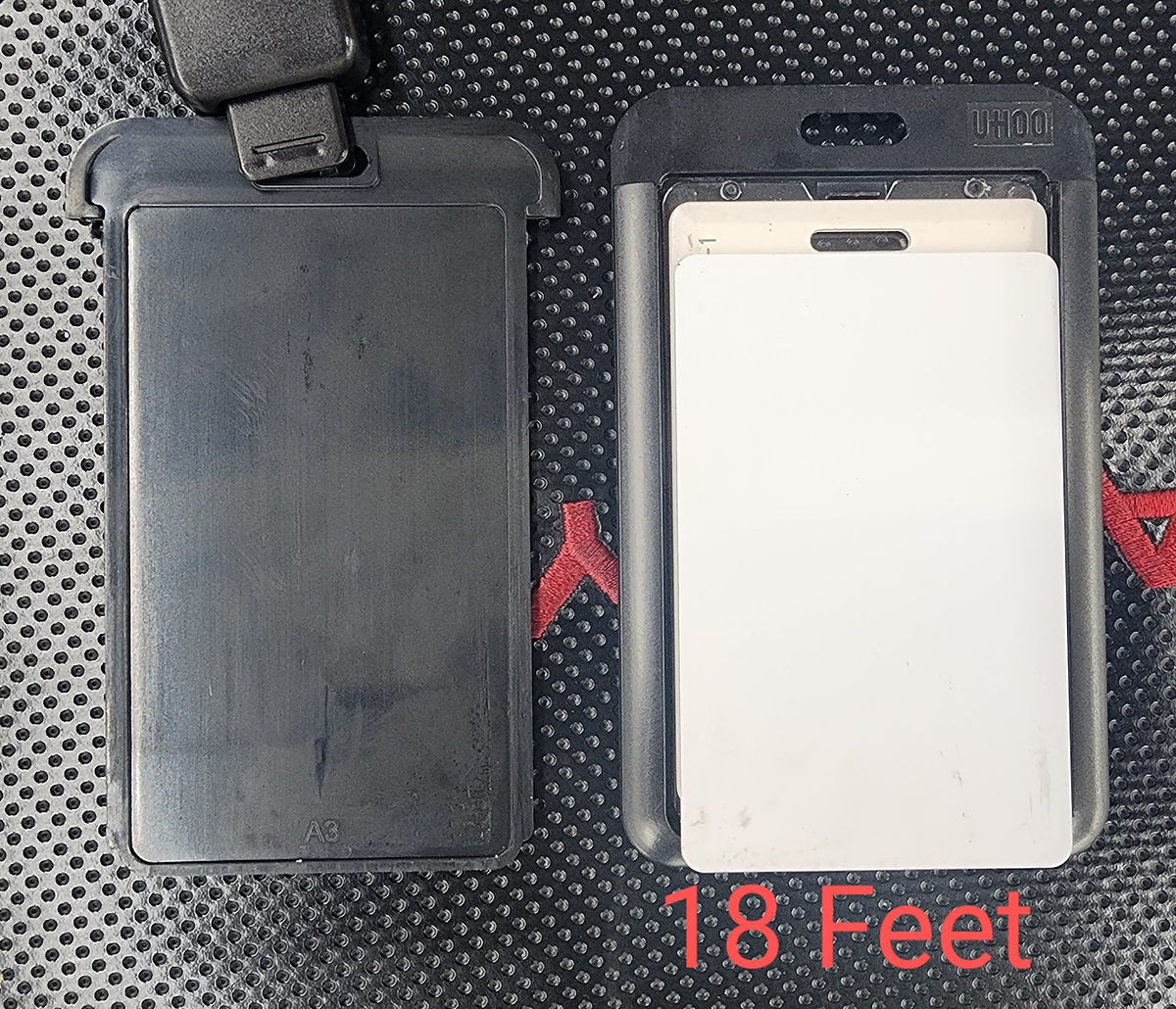
Passive RFID badges, cards, or inlays have no battery. Fixed RFID readers and antennas are placed at defined read points such as doors, gates, corridors, or process areas. When a badge passes through the read zone, software can record a presence or transition event.

This approach is useful where people naturally move through chokepoints and the business needs reliable event capture rather than continuous exact location.
Active RFID / RTLS

Active RFID and RTLS

Active RFID and RTLS systems use battery-powered tags with gateways, receivers, anchors, or access points. Depending on the technology and design, they can support broader facility or zone visibility than passive doorway reads.

Coverage planning, gateway placement, tag battery lifecycle, and the required confidence level should be part of the design. Do not assume universal room-level or exact location accuracy without testing the environment.

Architecture choice

Passive vs active RFID for personnel tracking

Passive and active RFID can both support personnel tracking, but they answer different questions and create different operating responsibilities.

ConsiderationPassive RFIDActive RFID / RTLS
Tag powerPassive badges, cards, or inlays have no battery and respond when energized by a reader.Active RFID or RTLS tags use a battery and communicate with gateways or receivers.
Location modelBest for entry, exit, and zone-transition events at defined read points.Best for broader zone visibility or more frequent location updates, depending on system design.
Fixed infrastructureUsually fixed readers and antennas at doors, gates, chokepoints, or process transitions.Usually gateways, receivers, anchors, or access points placed through the area of interest.
Battery maintenanceNo badge battery maintenance, though badges still need physical lifecycle management.Battery replacement or tag lifecycle planning is part of the operating model.
Best-fit workflowsMustering checkpoints, controlled-zone transitions, attendance events, and process-area movement.Yard, facility, or area-level visibility where defined doorway reads are not enough.
Deployment complexityRead-zone tuning, badge orientation, antenna placement, and event filtering matter.Coverage planning, gateway density, tag configuration, and location logic matter.

Operational uses

Practical use cases

Emergency mustering
Controlled-zone presence
Movement between process areas
Contractor and visitor visibility
Workflow event capture
Safety-support workflows

Read-zone design

A badge read is not automatically a direction event

Seeing a badge does not always prove exact location, entry, exit, or direction. A person may pause near a doorway, turn around, pass beside the intended read zone, or be seen by neighboring infrastructure.

Direction logic may use multiple RF zones, presence or photoelectric sensors, reader GPIO, event timing, and application state logic. The software should turn raw reads into events the operation can trust.

Software connection

Integration with workforce, safety, and business systems

Personnel RFID events can feed workforce systems, safety systems, ERP applications, databases, APIs, or Rocket Tracked. The integration should define badge identity, event type, location or zone, timestamp, exception state, and who is allowed to review the data.

Active-tag use cases may also overlap with V-Tag when the workflow requires battery-powered tags and broader zone visibility.

Governance

Privacy and policy should be part of the project

Personnel tracking projects should define a legitimate operational purpose, authorized access to location or history data, sensible retention rules, and clear employee, contractor, or visitor communication.

Workplace, labor, privacy, and union considerations vary by organization and location. Rocket RFID can help design the technical system, but policy and legal review should be handled by the appropriate stakeholders.

Governance questions

  • What operational problem is the system solving?
  • Who can see live and historical event data?
  • How long should records be retained?
  • How will employees and contractors be informed?

Fit check

When RFID may not be the best technology

RFID may not be the right primary technology for outdoor fleet or field personnel location where GPS is more appropriate, very high-precision positioning where UWB may fit better, basic access-control-only requirements, or workflows without useful read zones.

Project approach

Implementation approach

  1. Requirements
  2. Site survey
  3. Technology selection
  4. Tag or badge testing
  5. Reader or gateway design
  6. Software integration
  7. Pilot
  8. Validation
  9. Rollout

Buyer questions

RFID employee tracking FAQ

Can passive RFID track employees in real time?

Passive RFID can capture badge reads at defined points such as doors, gates, or work-area transitions. It should not be treated as continuous precise real-time location unless the architecture actually supports that level of visibility.

What is the difference between passive and active RFID personnel tracking?

Passive RFID badges have no battery and are read when they pass through a reader field. Active tags use a battery and gateways or receivers, which can support broader or more frequent location visibility depending on the technology and layout.

Can the system tell whether someone entered or exited?

It can when the read point is designed for direction logic. That may require multiple read zones, sensors, timing rules, reader GPIO, or software state, rather than a single badge read.

Can RFID be used for emergency mustering?

Yes, RFID can support mustering by helping confirm badge presence at muster points or facility exits. The emergency workflow, fallback process, and data review process still need to be designed carefully.

Can personnel RFID integrate with existing software?

RFID event data can often be passed to workforce, safety, ERP, database, API-based, or Rocket Tracked workflows. Named system support should be confirmed during discovery.

Do RFID employee badges need batteries?

Passive RFID badges do not need batteries. Active RFID and RTLS tags do use batteries and require lifecycle planning.

Personnel tracking

Talk to an RFID Expert About Personnel Tracking

Discuss the visibility you need, the facility layout, badge options, read points, governance requirements, and software integration path.