
Employee Tracking
Badge or tag events for personnel movement, presence, mustering, controlled zones, and workforce workflow visibility.
RFID hardware, software & implementation
Rocket RFID designs complete RFID systems using tags, readers, antennas, software, and integration. From passive RFID checkpoints to active asset location, the architecture starts with what your operation needs to track or automate.
RFID solutions
RFID projects work best when the technology is mapped to a real workflow: what is tagged, where reads happen, which events matter, and which system needs the result.
Badge or tag events for personnel movement, presence, mustering, controlled zones, and workforce workflow visibility.
RFID workflows for inventory counts, stock movement, replenishment checks, receiving, and warehouse control points.
Rugged RFID systems for large assets, mobile equipment, yard movements, gates, and on-metal tagging requirements.
Tool rooms, cribs, cabinets, checkout and return events, handheld search, and accountability for tagged tools.
RFID labels, handheld search, inventory, custody events, and fixed read points for files, folders, and archive boxes.
Fixed reader and antenna systems for inbound receiving, outbound validation, and movement events at dock doors.
Software and systems
Rocket RFID software turns RFID reads into useful business events for asset tracking, shipment verification, printing, active location, and specialized workflows.
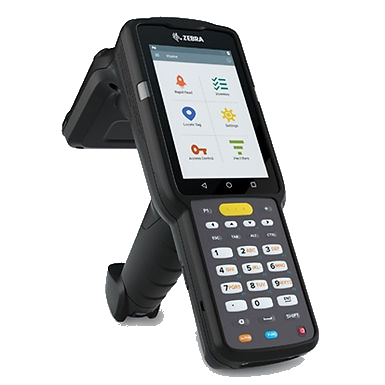
Asset tracking software for inventories, movement history, checkout, alerts, tools, equipment, and reader events.
Explore Rocket Tracked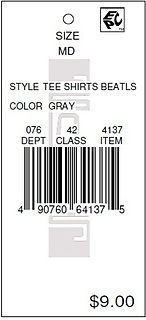
Verify RFID-tagged shipments against expected order or manifest data before goods leave the facility.
Explore Rocket Shipped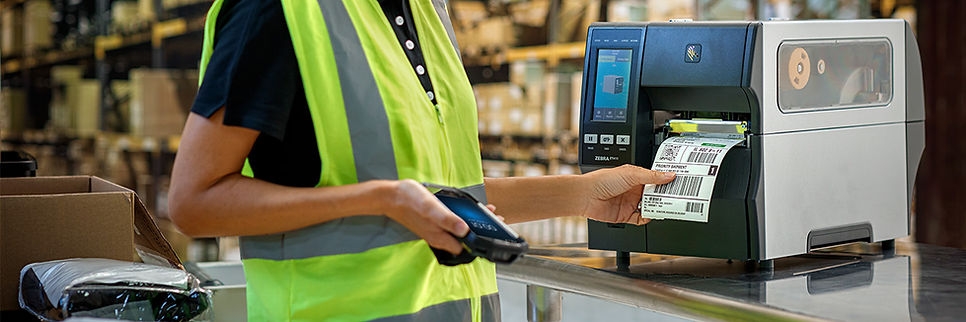
Software for high-volume RFID label and ticket printing, variable data, encoding, and printer workflows.
Explore Rocket Print
Specialized software for defense shipping, RFID/UID labeling, documentation, and configured data workflows.
Explore Prime2Defense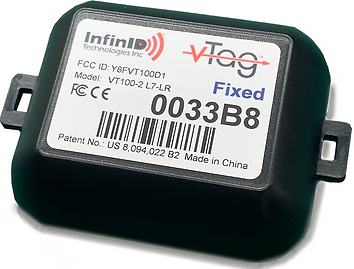
Active RFID infrastructure for room, zone, and area-level location workflows integrated with tracking software.
Explore V-TagPassive and active RFID
Passive RFID and active RFID solve different problems. The right choice depends on the object being tracked, the material surface, read range, location precision, power needs, infrastructure, and the events the business needs to trust. Use the active versus passive RFID comparison to evaluate the complete workflow rather than choosing from tag specifications alone.
A strong fit for checkpoints, portals, handheld inventory, labels, tagged documents, inventory, tools, and assets that can be read when they pass a reader or scanner.
Useful when assets need active location updates through tags, gateways, and fixed location references instead of relying only on passive read points.
RFID implementation
A useful RFID system depends on engineering decisions that are easy to miss in a product catalog: tag selection, real material testing, reader and antenna placement, read zone control, stray read filtering, business-event modeling, and integration with the system of record.
Rocket RFID evaluates the physical environment and the operational workflow together so the system can report meaningful movement, presence, inventory, shipping, or exception events.
Project approach
The work starts with the operation, then moves into tags, readers, software, integration, pilot validation, and rollout.
Industry paths
Each environment brings different materials, movement patterns, read points, and system requirements. Start with the closest operational setting.
Parts, WIP, tools, finished goods, shipping validation, and production movement events.
Assets, records, personnel workflows, equipment visibility, and tag selection for clinical environments.
Tool control, parts, kits, work in progress, calibration-record association, and repair operations.
MRODistribution center operations, dock movement, order verification, and shipment transition points.
Transportation & LogisticsRugged equipment, tools, materials, yards, jobsites, and gate movement workflows.
IT assets, equipment moves, rooms, cages, audits, and location history for controlled facilities.
Hardware support
Hardware choices affect read reliability, tag commissioning, attachment method, read range, mobile workflows, and how cleanly RFID events can be turned into business data.
Rocket RFID helps select and supply the hardware that makes the software workflow work, without turning the site into a commodity catalog.
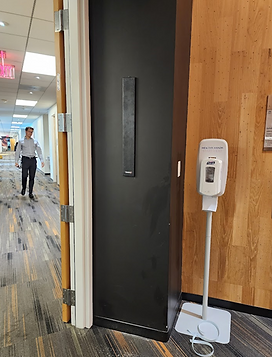
Fixed readers, antennas, mounts, and read-zone design for dependable RFID events.
Mobile RFID reading for inventory, search, verification, and exception work.
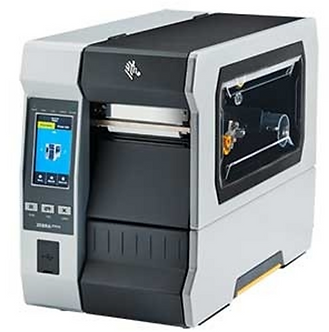
Printer and encoder hardware for labels, tickets, commissioning, and reprints.
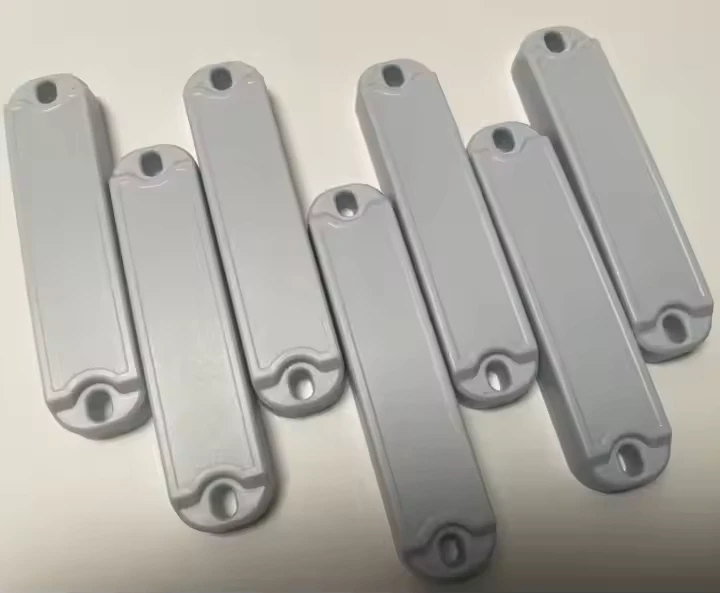
Tag selection around asset surface, environment, read range, attachment, and workflow.
Tell us what you need to track
Share the assets, locations, materials, workflow, and systems involved. Rocket RFID can help determine whether passive RFID, active RFID, handheld scanning, fixed readers, software, or integration work is the right starting point.
RFID solutions built around hardware from trusted manufacturers.